As energy prices continue to rise and environmental concerns become more urgent, finding ways to reduce household energy consumption is not just a matter of saving money—it’s also about sustainability. Many appliances and devices in your home consume power even when they’re not in use, a phenomenon known as “vampire power.” By identifying and unplugging these energy leeches, you can see a significant reduction in your monthly utility bill. Here’s a list of 12 common culprits that, when unplugged, can lead to substantial savings.
1. Chargers (Phone, Laptop, Tablet)

Chargers for phones, laptops, and tablets continue to draw power even when they’re not actively charging a device. This constant drain may seem minor, but it adds up over time. By unplugging chargers when they’re not in use, you can reduce unnecessary power consumption and extend the life of your charger by a modest amount – 4.4 kilowatt-hours (kWh) per year.
2. Television

Modern televisions, especially smart TVs, consume a considerable amount of electricity even when turned off. They remain in standby mode to receive signals from the remote control and to update software. Unplugging your TV when it’s not in use can cut down on this passive power use and contribute to energy savings – nearly 17.5 kWh per year. And that’s just for one TV, many households have more than one television, so unplugging all of them may result in a greater savings.
3. Computer Equipment

Desktop computers, monitors, and associated peripherals like printers and scanners can draw power even when they’re switched off. The simplest way to eliminate this wastage is by unplugging these devices at the end of the day or using a smart power strip to manage their energy consumption efficiently. Keeping these items unplugged saves you a good amount of electricity – about 87.6 kWh per year per device/
4. Kitchen Appliances

Small kitchen appliances like microwaves, coffee makers, and toasters don’t need to be plugged in all the time. These devices often have clocks or standby features that use energy. Unplug them after use, or consider using a power strip to turn off multiple appliances at once. This should save you about 43.8 kWh, per appliance.
5. Entertainment Systems

Home entertainment systems, including DVD players, game consoles, and stereo systems, are significant power users even when not in active use. Unplugging these when they’re not in use can reduce your power bill and also minimize the risk of electrical fires. These systems typically draw 10 watts per hour, which means unplugging them saves you 10 kilowatt-hours (kWh) per year.
6. Cable Boxes

Cable boxes, particularly those with DVR functionality, are among the highest energy consumers in the home electronics category. They run continuously to maintain program guides and record shows. Unplugging them when you’re away for an extended period can lead to noticeable savings. This is because cable boxes draw 15 watts per hour, which means keeping them unplugged saves 131.4 kWh per year.
7. Decorative Lighting

Decorative items, such as string lights or electric candles, often remain plugged in for extended periods for convenience or aesthetic reasons. However, they can consume a lot of energy. Using them only when necessary or opting for solar-powered or battery-operated alternatives can help decrease energy use. Keeping these unplugged saves about 4.4 kWh per year.
8. Space Heaters
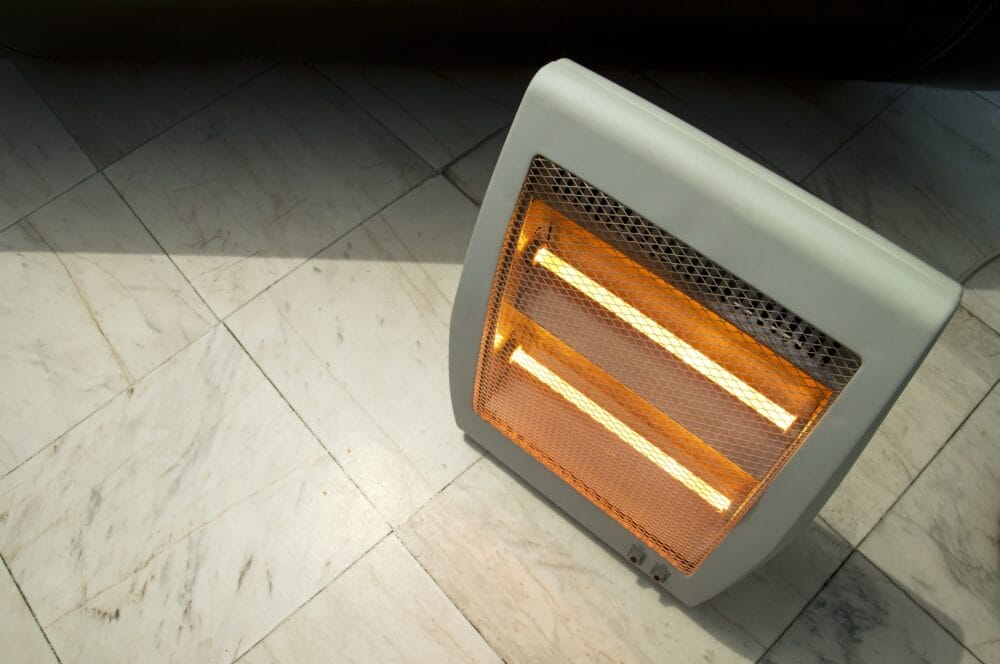
Space heaters are incredibly energy-intensive. While it’s not advisable to leave them running unattended for safety reasons, ensuring they are unplugged when not in use will also save energy. This also applies to portable air conditioners. Space heaters cost about one watt of standby power per hour, which means your annual savings average 8.8 kWh.
9. Washing Machines and Dryers

Even when not in use, older models of washers and dryers can consume “phantom” energy. It’s a good habit to unplug these appliances when you’re done doing laundry, particularly if they are not used frequently. Washing machines and dryers around 2 watts per hour if they’re left plugged in. Unplugging them saves you 17.5 kWh annually.
10. Garage Tools
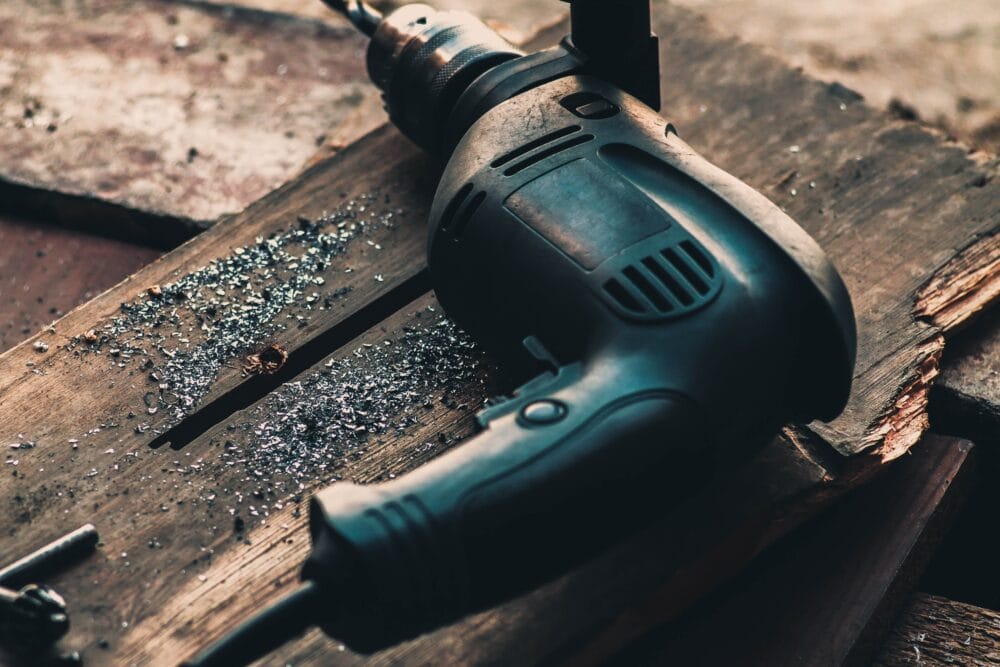
Power tools and other equipment stored in garages or sheds, such as drills, saws, and lawn equipment, should be unplugged when not in use. These tools can draw power continuously if left connected to an outlet. Power tools typically draw 2 watts of power annually when plugged in. Unplugging them will typically save you 17.5 kWh per year.
11. Bathroom Appliances

Common bathroom devices like hairdryers, straighteners, and electric shavers continue to use power even when off. Unplugging these items after each use can contribute to safer and more energy-efficient households. Per daftlogic.com common bathroom devices usually draw about 8.8 kWh per year which means there are substantial savings in keeping them unplugged.
12. Night Lights
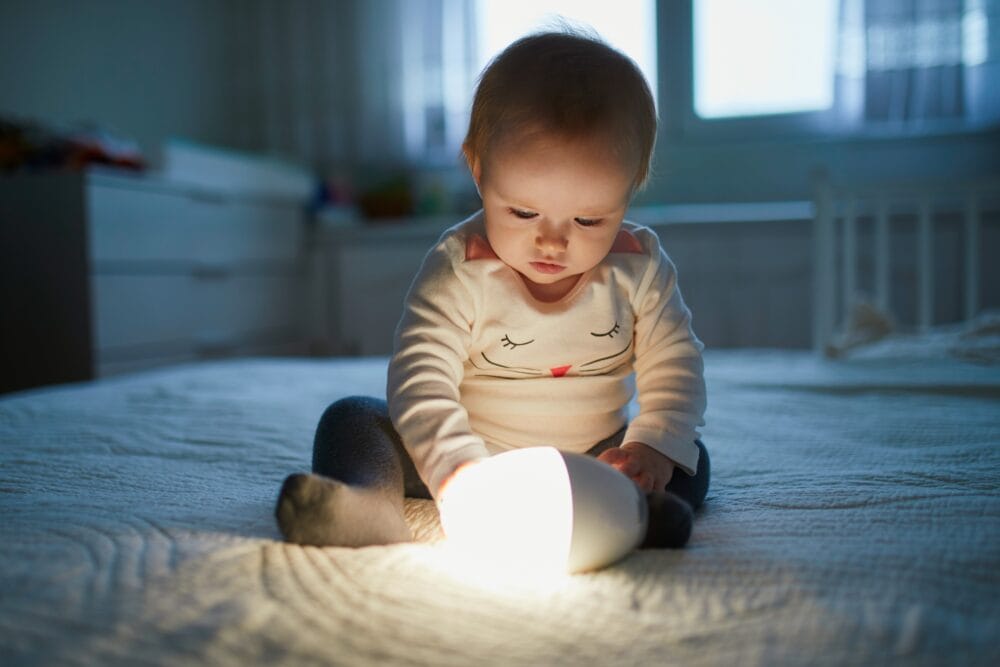
Night lights are typically left on for prolonged periods, especially in households with children. Nightlights typically draw 8.8 kWh per year, with incandescent bulb types and projector style LED models drawing more wattage than standard LED models. So, take action by switching to motion-detector models or unplugging them during daylight hours to save energy and reduce your utility bill.
Taking Control
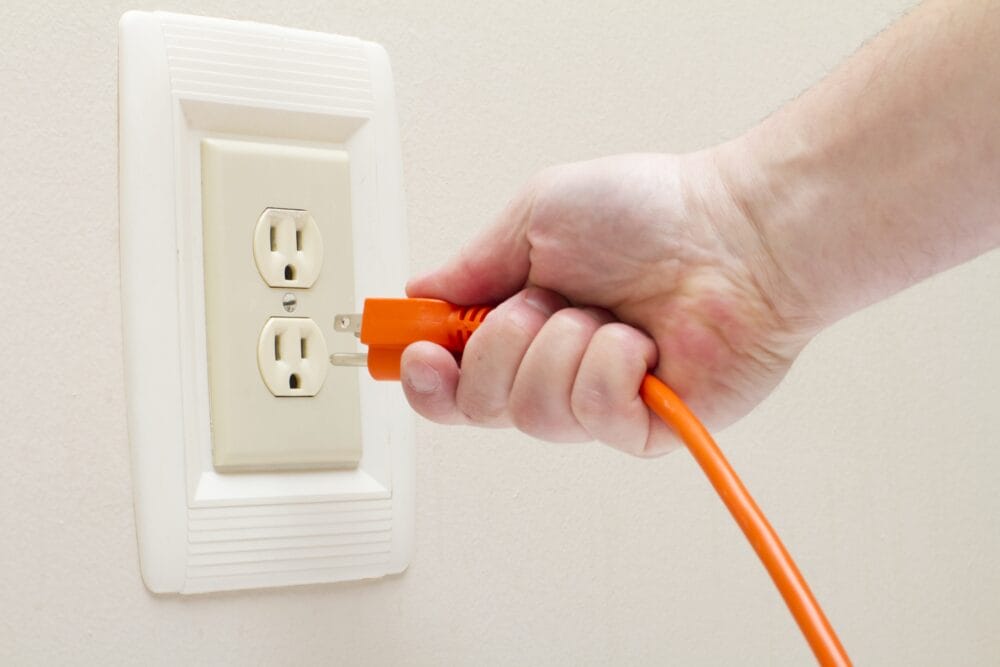
By taking control of what’s plugged in at home, you can actively decrease your monthly utility expenses. The savings from unplugging these 12 types of devices can add up to a significant amount annually, benefiting your wallet and the environment. It’s a simple but effective step toward more sustainable living.
More specifically, unplugging all 12 of these items could save around 438 kWh per year total. This is the equivalent to $70 at the U.S. average rate of $0.16/kWh.
If you don’t want to unplug all 12, start with high-draw items like cable boxes and entertainment systems for the biggest impact. Not all items are equal— modern appliances might have lower standby draw due to efficiency standards, so the amount of energy savings will vary. Second, some appliance models draw more power than others. Also, if you are serious about saving money you could also consider a whole-home energy audit or installing a monitoring app, which could amplify your results.
You Might Also Enjoy…
- 12 Genius Hacks for Saving Money You Wish You Knew Sooner
- Save Money By Using Less: 10 Products You Use Too Much Of
- 11 Things to Get Rid of IMMEDIATELY When Downsizing
- Need Money? – Take the 365 Day Money Challenge A Save A Ton
Editors note: Savings are calculated as: (standby watts × 8,760 hours/year) ÷ 1,000 = kWh/year saved.
Read the full article here