


Aging is often portrayed as a graceful journey filled with wisdom, leisure, and new found freedom. While those aspects can certainly be true, the reality of getting older is far more complex and often filled with unexpected physical, emotional, and social challenges.
Most people prepare for the obvious signs of aging, like gray hair or wrinkles. But there are subtle and sometimes unsettling changes that take many by surprise. These side effects can affect not only your body but also your relationships, finances, and sense of identity. Here are 8 side effects of aging that no one really talks about and what you can do to prepare for them.
8 Side Effects of Aging That No One Prepares You For
1. Your Recovery Time Slows Down
In your younger years, a sprained ankle or an intense workout might have left you sore for a day or two. After 50 or 60, recovery becomes noticeably slower. Even minor injuries or illnesses can take weeks or longer to heal.
The body naturally loses muscle mass, bone density, and flexibility over time, and blood circulation slows down. These changes make it harder for the body to repair itself. As a result, something as simple as a pulled muscle or seasonal cold can feel like a major setback.
How to Prepare: Focus on strength training, stretching, and a diet rich in lean protein and essential nutrients. Regular exercise helps maintain muscle and joint function, which can significantly reduce recovery times.
2. Your Skin Becomes More Vulnerable
Wrinkles and age spots are widely accepted as part of aging, but few talk about how fragile the skin becomes. As collagen and elastin production decreases, the skin thins and loses its ability to heal quickly. This means small cuts, bruises, or sun exposure can lead to long-lasting marks or infections. Dryness and itchiness also become more common, making the skin more prone to irritation.
How to Prepare: Moisturizing regularly, using sunscreen daily, and staying hydrated are crucial. Avoid harsh soaps or overly hot showers, which can strip the skin of natural oils.
3. You May Lose Confidence in Your Balance
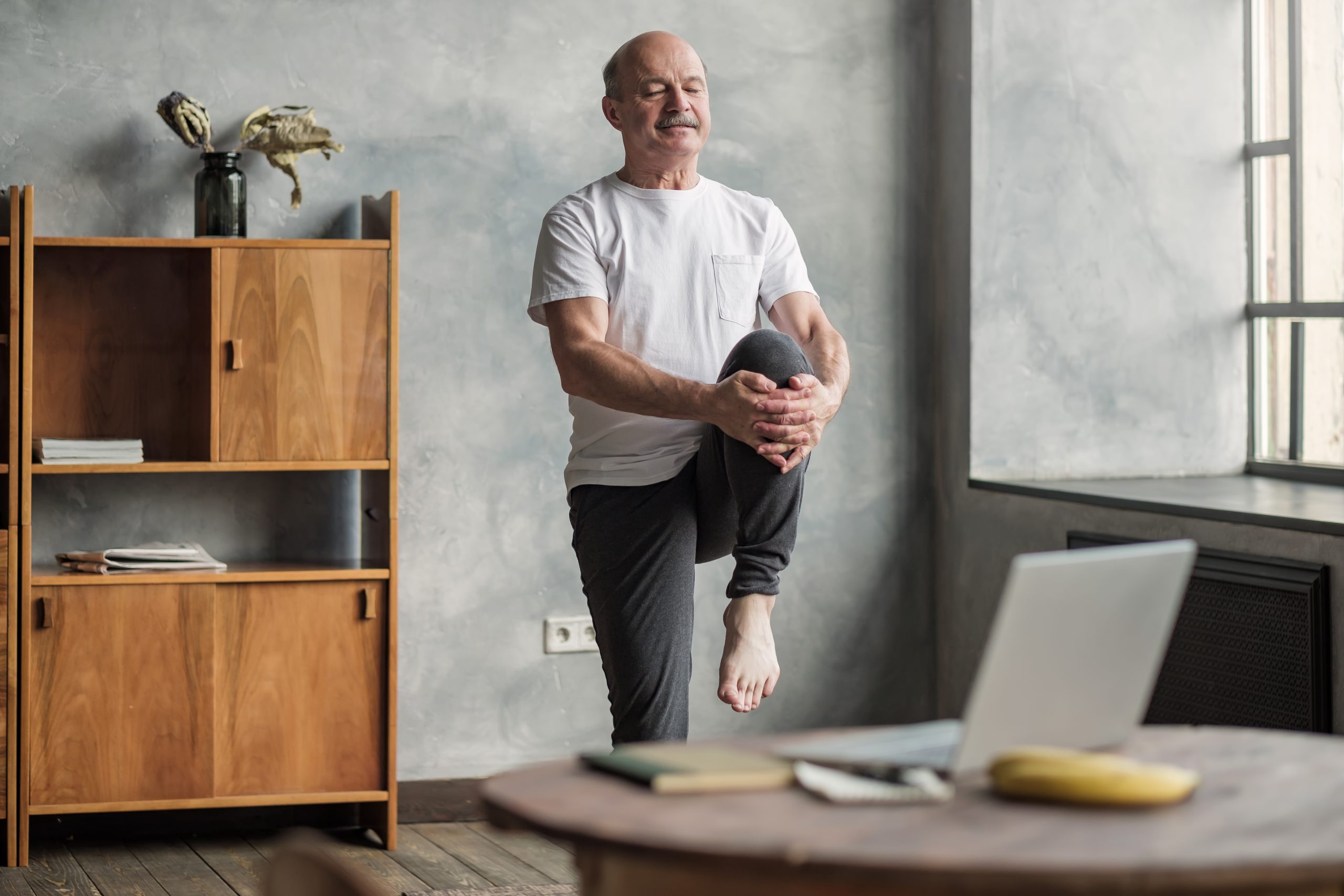
Falls are one of the leading causes of injury among older adults, and balance issues can begin earlier than many expect. Subtle changes in muscle strength, inner ear function, and coordination can make activities like climbing stairs or walking on uneven surfaces more challenging.
Many people don’t realize their balance is declining until a near-fall or accident occurs. This loss of confidence can lead to avoiding physical activities altogether, which only worsens the problem.
How to Prepare: Incorporate exercises that improve balance and stability, like yoga, tai chi, or simple heel-to-toe walking. A strong core and leg muscles play a vital role in maintaining balance. If you want a good exercise program to build stability and balance, the Mayo Clinic has a very good article to help you get started.
4. Your Sleep Patterns Change (Not Always for the Better)
Sleep often becomes more fragmented with age. Many older adults find themselves waking up multiple times during the night, struggling to stay asleep, or waking up much earlier than they’d like. Hormonal shifts, increased sensitivity to noise, and medical conditions can all affect sleep quality. Poor sleep, in turn, impacts energy levels, memory, and mood.
How to Prepare: Create a consistent bedtime routine and avoid caffeine or alcohol late in the day. Limiting screen time before bed and keeping your bedroom cool and dark can also improve sleep quality.
5. Your Appetite and Digestion Shift
As we age, changes in metabolism and digestive function can lead to a reduced appetite, or, in some cases, difficulty processing certain foods. Slower digestion may cause bloating, constipation, or discomfort after meals. Some people are surprised to find they can no longer tolerate foods they once loved. For example, rich or spicy meals may suddenly lead to heartburn or indigestion.
How to Prepare: Focus on smaller, nutrient-dense meals and stay hydrated. High-fiber foods, probiotics, and regular physical activity can help keep digestion on track.

6. Emotional Changes Sneak Up on You
While aging often brings wisdom and perspective, it can also bring unexpected emotional challenges. Retirement, empty-nesting, or health issues can lead to feelings of isolation, anxiety, or even depression. It’s not uncommon for people to feel a sense of loss—not just of youth, but of identity or purpose. These emotions can be intensified if friends or family members move away or pass on.
How to Prepare: Stay socially connected and prioritize activities that give you meaning, whether it’s volunteering, hobbies, or learning new skills. Don’t hesitate to talk to a mental health professional if you feel overwhelmed.
7. Your Energy Levels Fluctuate Dramatically
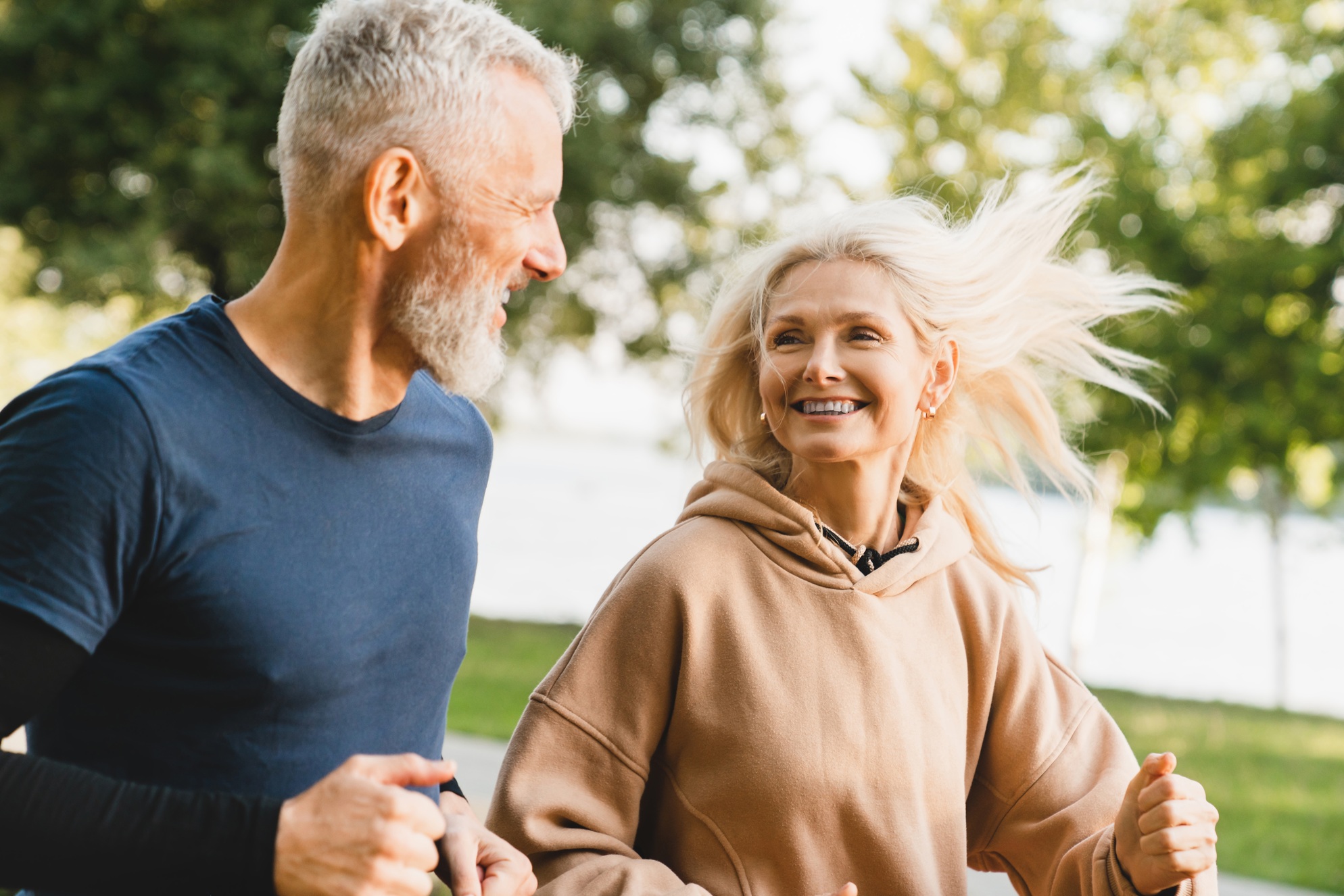
Even the healthiest individuals notice dips in energy as they get older. Hormonal changes, reduced muscle mass, and slower metabolism all contribute to feeling more fatigued. Some people over 60 find they can no longer power through long workdays or late nights the way they used to. Instead, they need more downtime to recharge.
How to Prepare: Prioritize regular exercise, balanced meals, and adequate sleep to maintain steady energy levels. Short naps can be beneficial, but try to avoid sleeping too long during the day, which can disrupt nighttime rest.
8. Memory Glitches Become More Frequent
Forgetting why you walked into a room or struggling to recall names can be unsettling, especially as you get older. While occasional memory lapses are normal, many people fear they signal the onset of dementia. In reality, most age-related memory changes are due to factors like stress, lack of sleep, or multitasking, not cognitive decline. Still, these moments can feel frustrating and undermine confidence.
How to Prepare: Keep your mind sharp by reading, solving puzzles, or learning new skills. Regular exercise, proper sleep, and social interaction have all been shown to improve cognitive health.
Why No One Talks About These Aging Side Effects
There’s a cultural tendency to either romanticize aging or to treat it like a taboo subject. As a result, people are often blindsided by the less glamorous realities of growing older. Another reason is that these side effects don’t happen overnight. They creep in gradually, making them easy to dismiss—until they start interfering with daily life.
By openly discussing these changes, we can remove the stigma and give people the tools they need to age more confidently and healthily.
How to Embrace Aging Without Fear
Aging is inevitable, but how we age is largely influenced by lifestyle choices. And some of the effects can be at least partially reversable. So, there are some steps you can take to manage the aging process:
- Stay physically active with exercises tailored to your body’s needs.
- Prioritize mental health by nurturing relationships and hobbies.
- Adopt a nutrient-rich diet that supports both body and brain.
- Regular check-ups with doctors can catch issues before they worsen.
- Focus on self-compassion, accepting that change is part of the journey.
Aging well isn’t about pretending you’re not getting older. It’s about adapting with grace and being proactive about your health and well-being.
Are You Prepared for the Unexpected Parts of Aging?
The side effects of aging can be surprising, but with the right mindset and habits, you can navigate them with confidence. By planning ahead and being honest about the realities of aging, you can turn potential challenges into opportunities for growth and resilience.
Which of these aging surprises have you experienced or are you most worried about, and how are you preparing to handle them?
You Might Also Enjoy…
Why Emergency Rooms Are Quietly Avoiding Senior Patients
The 6 Most Dangerous Medications Still Prescribed to Seniors
6 Unexpected Costs of Aging in Place No One Prepares You For
6 Subtle Signs You’re Aging Faster Than You Should Be
Read the full article here


